As America marks its 250th anniversary in 2026, communities across the nation are reflecting on the places and moments that shaped the country’s past. Few counties carry the historical weight of Adams County, Pennsylvania. From the turning point of the Civil War at the Battle of Gettysburg in 1863, to Abraham Lincoln’s immortal Gettysburg Address, to President Dwight D. Eisenhower’s farm overlooking the South Mountain landscape, Adams County’s story is deeply woven into the American narrative.
These moments are elegantly preserved through books, films, and museums that draw millions of visitors to Gettysburg each year. Tourism has become one of Adams County’s most significant modern industries, rooted directly in its history and landscape. Heritage tourism not only preserves the past, but also fuels local businesses, supports jobs, and sustains the vibrant downtowns, farms, and cultural institutions that define the community today.
Yet beyond the battlefield and the speeches lies another story—one less often told, but equally essential to understanding how Adams County helped build and sustain the nation. It is a story of industry, innovation, and the people who transformed local resources into lasting economic strength.
The Adams Economic Alliance is excited to bring this lesser-known history to light through “250 Years of Industry & Innovation in Adams County,” a special presentation taking place on April 17, 2026, from 11:30 a.m. to 2:00 p.m. at the Beyond the Battlefield Museum in Gettysburg.
This program looks beyond the iconic moments to explore how Adams County’s industries evolved over two and a half centuries—and how they continue to shape the community today. The presentation takes participants on a journey across the county, highlighting industries that grew from local materials, skilled labor, and strategic geography, many of which still influence Adams County’s identity and visitor experience.
From the brickmaking traditions of New Oxford, which supplied materials for homes, factories, and civic buildings, to the cigar manufacturing industry in McSherrystown that once employed thousands, Adams County became a hub of craftsmanship and production. The historic South Mountain fruit belt tells another chapter of innovation—where fertile land, entrepreneurial farmers, and advances in food processing helped establish Adams County as a national leader in apple production. Today, that agricultural heritage continues to attract visitors through farm markets, orchards, festivals, and agritourism experiences.
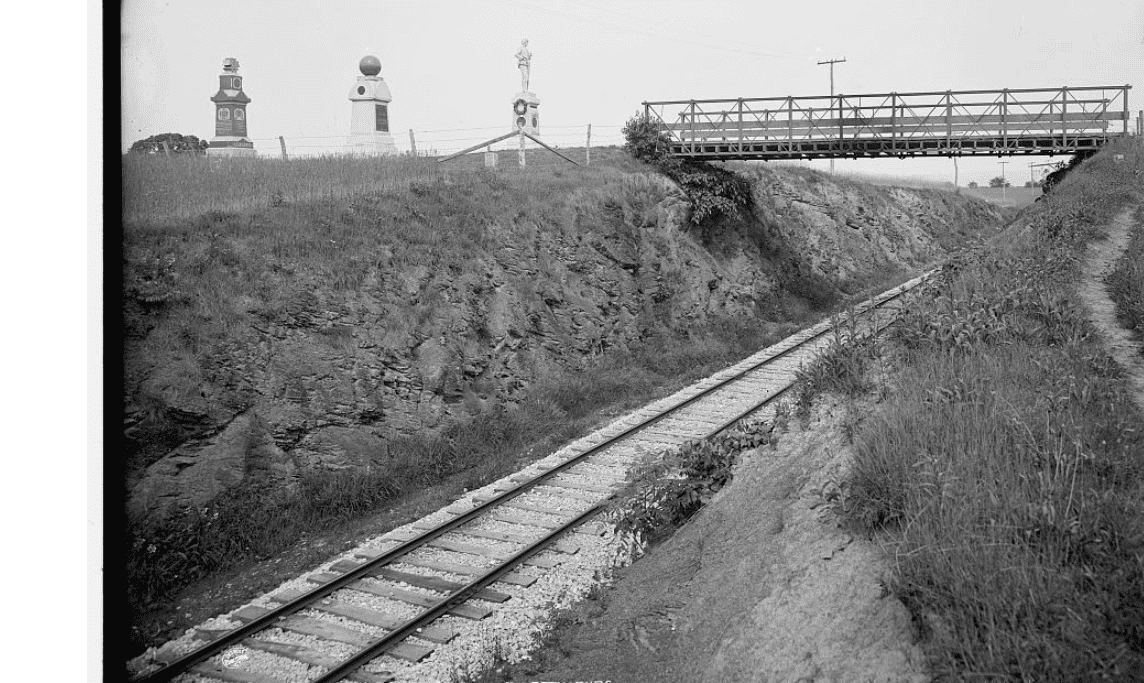
Supporting industries grew alongside agriculture, including paper and packaging operations that enabled fruit growers to ship products efficiently across the country. These industries did not exist in isolation. Transportation played a critical role in their success. The development of railways, roadways, and freight corridors connected Adams County to regional and national markets—connections that now also support tourism, recreation, and business travel.
Looking forward, the Adams Economic Alliance will share how its work today builds on this legacy of innovation. By supporting businesses, fostering partnerships, and investing in workforce and infrastructure development, the Alliance is helping ensure that Adams County remains economically resilient for generations to come.
As America celebrates 250 years, Adams County’s story reminds us that history is not only found in defining moments, but in the industries, innovation, and tourism economy that continue to sustain and shape the community today.